Installing security cameras is one thing. Putting them in the right places is what makes them useful.
A camera that points at the wrong angle, misses an entry point or captures footage that is too dark may not provide the coverage you expected. That is why camera placement should be considered just as carefully as the CCTV system itself.
At NQB Security, we help homeowners and businesses across Brisbane plan CCTV systems around the layout and security needs of their property.
Here are some of the key areas worth considering when deciding where your security cameras should go.
Front Entrances
The front entrance is one of the most important areas to monitor.
For a home, this may include the front door, porch, gate or path leading to the entrance. For a business, cameras may cover the main customer or staff entrance.
The aim is to capture a clear view of people approaching and entering the property.
Camera height and angle matter here. A camera positioned too high may show the top of someone’s head without providing a useful view of their face. The installation should balance visibility, coverage and protection of the camera itself.
Driveways and Parking Areas
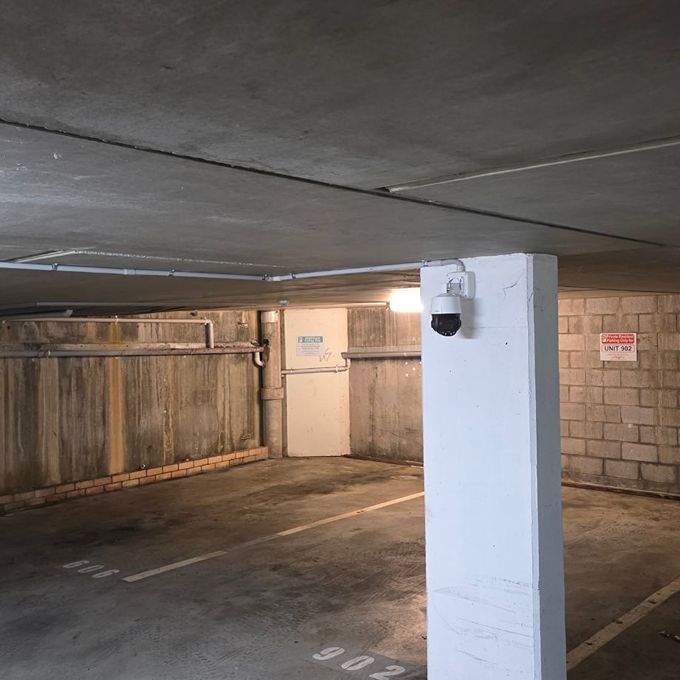
Driveways and parking areas often have regular movement throughout the day, making them another useful location for CCTV.
For residential properties, a camera can provide visibility over vehicles, garages and people approaching from the street.
For commercial properties, CCTV may be used to monitor staff parking, customer parking, loading areas and vehicle access points.
The size and layout of the area will determine whether one camera is sufficient or whether several viewing angles are needed.
Side Access and Gates
It is easy to focus on the front of a property and forget about the sides.
Side gates, pathways and narrow access points can sometimes provide alternative ways to approach a building. If these areas are hidden from the street or difficult to see from inside, they may be worth including in your CCTV coverage.
A well-planned system should consider how someone could move around the entire property, not just how they would normally enter.
Garages and Sheds
Garages and sheds can contain vehicles, tools, equipment and other valuable belongings.
Depending on the property, cameras may be positioned to monitor the entrance to these areas or provide additional coverage inside.
For businesses, the same principle can apply to warehouses, workshops and storage areas.
It is important to consider what needs to be monitored and where a camera can provide useful footage without unnecessarily covering areas that do not need surveillance.
Rear Entrances
Back doors and rear access points can easily be overlooked when planning CCTV.
If a rear entrance can be reached from a side path, neighbouring area, car park or laneway, it may benefit from camera coverage.
For commercial properties, rear entrances can also be used for staff access, deliveries and loading, which makes them important areas to consider when planning the overall security system.
Reception and Entry Areas for Businesses
For businesses, CCTV requirements often extend beyond the outside of the building.
Reception areas, customer entrances and other shared spaces may be considered depending on how the premises operates.
The goal should always be purposeful coverage. Cameras should be installed where they provide a genuine security benefit rather than simply covering every possible space.
Businesses should also consider their privacy and workplace obligations when installing cameras in areas used by employees or customers.
Avoid Creating Blind Spots
One of the biggest challenges with CCTV installation is avoiding gaps in coverage.
A camera may appear to cover an entire area during installation, but walls, landscaping, vehicles, signs and other objects can obstruct the view.
Lighting conditions can also change throughout the day.
This is why CCTV planning should consider more than what the property looks like at one particular moment. The camera position needs to provide practical coverage during the times when it is most likely to be needed.
Consider Lighting at Night
A security camera should not only provide useful footage during daylight hours.
Think about what each area looks like after dark. Is there sufficient lighting? Are there bright lights pointing towards the camera? Does the area become completely dark at night?
Camera selection and placement should account for these conditions.
A system that provides a clear image during the day but poor visibility at night may leave an important gap in your property’s security.
How Many Security Cameras Do You Need?
There is no single number that works for every property.
A smaller home may only require cameras covering a few key access points, while a large house, commercial building or industrial property may need considerably more.
Rather than starting with a specific number of cameras, it is better to identify the areas that need monitoring first.
From there, you can determine how many cameras are required to provide useful coverage without installing equipment where it adds little value.
Should You Install CCTV Yourself?
DIY security cameras can be suitable for basic monitoring, but a professionally planned CCTV system offers several advantages when you need broader or more reliable coverage.
Professional installation can help with camera positioning, cabling, equipment selection, recording setup and identifying potential blind spots.
It can also save you from discovering after an incident that an important area was outside the camera’s field of view.
CCTV Installation in Brisbane
A good CCTV system starts with understanding what you want to monitor and why.
Front entrances, driveways, side access, garages, rear entrances and key commercial areas are all worth considering, but every property is different.
NQB Security provides CCTV installation and security solutions for residential and commercial properties across Brisbane and surrounding areas.
We can assess your property, identify important areas for coverage and recommend a CCTV setup suited to your security requirements.
Need help planning CCTV for your Brisbane property? Contact NQB Security to discuss your requirements and request a quote.